Architecture is constantly changing. New materials, technologies, colours, textures, and design movements continue to influence how spaces are created. Yet truly successful architecture often goes beyond temporary trends.
Timeless design is about creating an environment that feels contemporary while maintaining a sense of balance and longevity. Materials play a major role in achieving this.
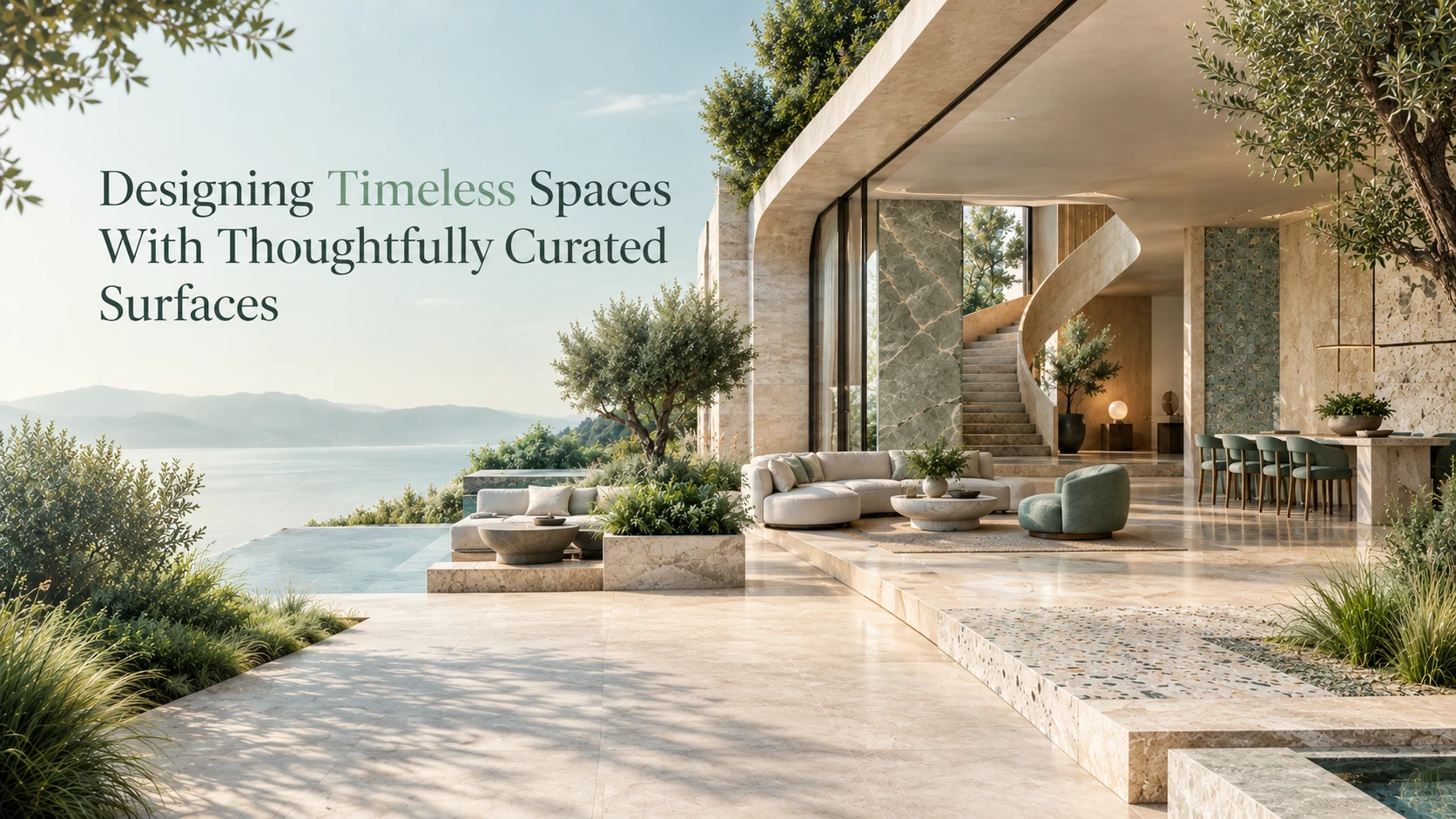
Surfaces cover large areas of architectural spaces, making them one of the most influential elements in the overall design. A carefully selected tile can provide the foundation for a room’s character and continue to complement the space as furniture, décor, and lifestyles evolve.
At Vastello, the focus is on thoughtfully curated surfaces that bring together contemporary aesthetics, material expression, dependable performance, and architectural character.
What Makes a Surface Feel Timeless?
Timelessness does not necessarily mean traditional. A contemporary surface can remain relevant when its design is carefully balanced.
Several elements contribute to a lasting surface choice:
- Balanced colour.
- Refined material expression.
- Appropriate scale.
- Thoughtful texture.
- Versatile design.
- Strong relationship with architecture.
- Suitable application.
- Ability to complement changing interiors.
The objective is to avoid creating a space that depends entirely on one temporary trend.
Inspired by Modern Architecture
Modern architecture often focuses on clean lines, open spaces, natural light, minimal detailing, and carefully selected materials.
Surfaces can reinforce these characteristics. Large-format tiles can support visual continuity, neutral materials can create calm foundations, and textured surfaces can introduce depth without relying on excessive decoration.
The surface becomes part of the architectural composition rather than simply an applied finish.
The Power of Material Expression
Materials communicate character. Marble can suggest refinement, stone can introduce natural depth, concrete can reinforce contemporary minimalism, and textured surfaces can create visual movement.
Modern tile collections reinterpret these material references in ways that can work across different architectural environments.
| Surface Inspiration | Architectural Character |
|---|---|
| Stone | Natural and grounded |
| Marble | Refined and elegant |
| Concrete | Minimal and contemporary |
| Natural | Organic and warm |
| Contemporary | Modern and expressive |
These expressions can be combined with other materials to create distinctive spaces.
Using Neutral Tones as a Foundation
Neutral surfaces can provide flexibility because they can work with a broad range of furniture and interior styles.
Soft neutral colours can create a calm environment. Deeper neutrals can add contrast. Subtle patterns can introduce detail without overwhelming the room.
Neutral does not mean visually empty. Texture, veining, finish, and material variation can provide depth while maintaining a restrained overall palette.
Creating Contrast Without Overcomplicating the Space
Contrast is important in architectural design, but it does not always require dramatic colour differences.
Contrast can be created through:
- Matt and glossy finishes.
- Smooth and textured surfaces.
- Light and dark tones.
- Large and smaller formats.
- Natural and contemporary material references.
- Plain and patterned surfaces.
This allows designers to create visual hierarchy while maintaining a cohesive environment.
The Role of Texture in Timeless Design
Texture can provide lasting visual interest because it interacts with light and creates physical depth.
A carved surface, for example, can appear different under different lighting conditions. The shadows created by the texture can change throughout the day, adding movement to the architecture.
Textured surfaces can therefore become architectural features rather than simply decorative elements.
Large-Format Surfaces and Visual Continuity
Large-format tiles can support a clean and contemporary architectural appearance. By reducing visual interruptions, they can create a stronger sense of continuity across walls and floors.
They can be particularly effective in open-plan interiors where designers want the surface to contribute to a sense of scale.
The correct format should always be considered in relation to the dimensions, layout, and application of the space.
Designing Residential Spaces for Everyday Living
Homes need to be visually appealing while also supporting everyday routines. Surface selection should therefore consider both aesthetics and the way people interact with the space.
Living rooms can use sophisticated surfaces to establish the overall design language. Kitchens can combine visual character with practical requirements. Bathrooms can use coordinated textures and finishes to create refined environments.
A successful residential surface should feel natural within the lifestyle of the people who use the home.
Creating a Strong First Impression in Entryways
Entryways provide an opportunity to introduce the design language of a property. A carefully selected surface can establish the tone before visitors move into the main interior.
A subtle stone-inspired surface can create a natural welcome, while a textured feature surface can create a stronger statement.
The entrance can also act as a transition between exterior and interior materials.
Designing Feature Walls
Feature walls provide a controlled opportunity to use more expressive surfaces.
Rather than covering every wall with a highly detailed pattern, a designer can select one area and allow it to become the visual focus.
Feature surfaces can be used behind:
- Television units.
- Reception desks.
- Beds.
- Dining areas.
- Bathroom vanities.
- Hospitality counters.
- Entrance areas.
Surfaces in Hospitality Design
Hospitality environments rely heavily on atmosphere. Hotels, restaurants, cafés, lounges, and other guest-focused spaces need materials that contribute to a memorable experience.
Surface selection can help define different zones and establish a consistent visual identity throughout the property.
A hospitality project may use restrained surfaces in corridors and more expressive materials in reception, dining, or feature areas.
Commercial Spaces and Brand Identity
Commercial architecture often needs to communicate a sense of identity. The materials used within an office, showroom, retail environment, or business space can contribute to how visitors perceive the brand.
A consistent surface palette can create a polished environment, while selected statement surfaces can highlight important areas.
Bringing Natural Inspiration Indoors
Natural-inspired materials continue to influence contemporary interiors because they can create warmth and visual connection with the environment.
Stone and marble-inspired surfaces can introduce organic patterns and material depth while remaining compatible with modern furniture and architectural forms.
These surfaces can be particularly effective when paired with wood, plants, soft textiles, metal, and natural lighting.
Combining Surfaces With Other Materials
Tiles rarely exist alone. They interact with cabinetry, furniture, wood, glass, metal, fabrics, lighting, and architectural details.
A successful material palette considers these relationships from the beginning.
| Complementary Material | Possible Design Effect |
|---|---|
| Wood | Warmth and natural contrast |
| Metal | Contemporary definition |
| Glass | Light and openness |
| Fabric | Softness and comfort |
| Natural elements | Organic character |
Designing With Different Finishes
Using different finishes within one project can establish subtle hierarchy.
A matt floor can provide a quiet foundation while a glossy wall creates a visual highlight. A carved feature can add dimension to an otherwise simple material palette.
The key is coordination. Finishes should complement one another rather than compete.
Think About Long-Term Adaptability
Furniture and décor can change over time. A surface that works with multiple interior styles provides greater flexibility.
This is particularly useful in residential spaces, where owners may update furniture, colours, lighting, or accessories without replacing the main architectural surfaces.
A versatile surface can therefore provide a stable foundation for future changes.
Quality as Part of the Design Process
Design and performance should be considered together. A beautiful surface needs to be appropriate for its intended application and everyday environment.
Thoughtful selection considers the requirements of the space alongside appearance. This creates a more complete approach to architectural surface design.
Curated Collections Make Selection Easier
Selecting individual tiles without considering the larger collection can make it difficult to create a cohesive project. Curated collections provide a broader design language and allow different surfaces to be considered together.
Vastello collections explore a range of:
- Colours.
- Patterns.
- Finishes.
- Sizes.
- Textures.
- Material expressions.
- Architectural applications.
This gives architects, interior designers, and homeowners greater freedom to build a complete surface palette.
Designing for Different Architectural Styles
A versatile surface collection can adapt to multiple design directions.
Contemporary homes may favour clean and minimal surfaces. Luxury interiors may explore refined marble-inspired patterns. Commercial environments may use concrete-inspired textures. Hospitality projects may combine multiple finishes to create visual depth.
The same design principles can therefore be interpreted differently according to the architecture.
A Thoughtful Approach to Surface Selection
Before finalising a surface, consider the complete project rather than evaluating the tile alone.
A practical approach includes:
- Understanding the architectural concept.
- Defining the desired atmosphere.
- Reviewing the lighting conditions.
- Selecting the primary material direction.
- Choosing complementary surfaces.
- Deciding where to introduce contrast.
- Reviewing tile sizes and formats.
- Considering the intended application.
- Creating a complete material palette.
Surfaces That Help Shape Tomorrow’s Architecture
The future of architecture will continue to explore new forms of material expression. Surfaces will remain an important part of this development, helping designers create environments that balance visual character and everyday functionality.
The opportunity lies in creating collections that are contemporary enough to feel relevant while versatile enough to remain adaptable.
The Vastello Vision
Vastello’s vision is to become a trusted name in architectural surfaces by creating innovative, timeless, and inspiring tile collections that shape the spaces of tomorrow.
The approach combines design, quality, functionality, and value to make it easier for architects, designers, and homeowners to create remarkable spaces.
Every Surface Can Tell a Story
A surface can communicate the personality of a space before a person notices individual furniture pieces or decorative details.
A natural-inspired tile can create a connection with nature. A refined marble-inspired surface can establish elegance. A concrete-inspired finish can reinforce contemporary minimalism. A carved surface can create depth and movement.
The choice of material therefore becomes part of the story the architecture tells.
Spaces That Inspire
The most compelling architectural environments are created when every element works together — structure, light, proportion, materials, colour, texture, and detail.
Surfaces provide one of the strongest foundations for this relationship. They can shape atmosphere, create continuity, introduce contrast, and give architecture a distinctive identity.
Vastello’s thoughtfully curated collections are designed to help bring these possibilities together, giving architects, designers, and homeowners the freedom to create spaces that are contemporary, expressive, functional, and built around a clear design vision.
Designing Beyond Trends
Timeless architecture is not about avoiding contemporary design. It is about choosing contemporary elements thoughtfully.
When surfaces are selected with attention to material, proportion, colour, finish, texture, and application, they can remain an important part of the space for years to come.
The result is more than a finished interior. It is a considered environment where surfaces help shape the way architecture is seen, experienced, and remembered.